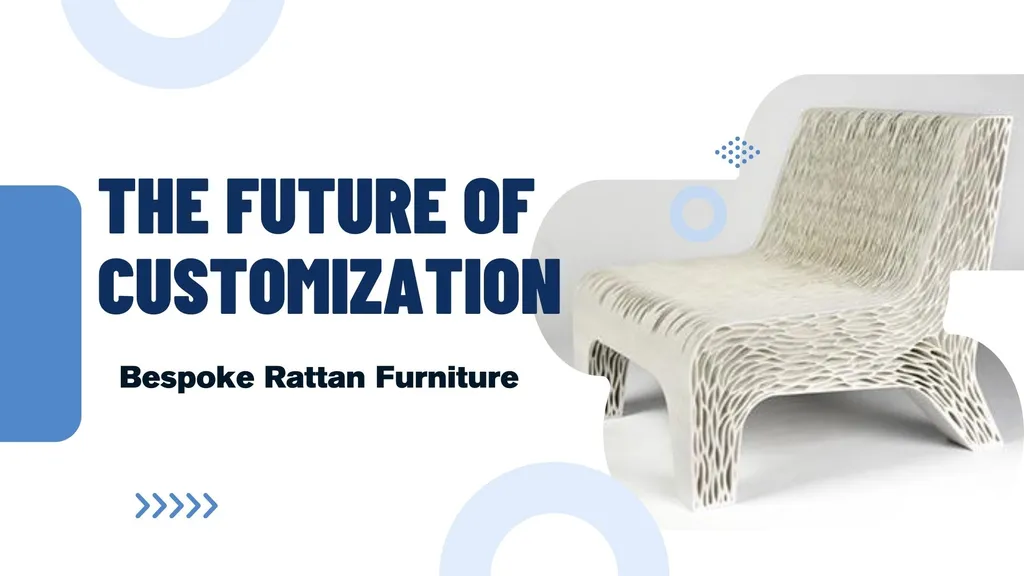
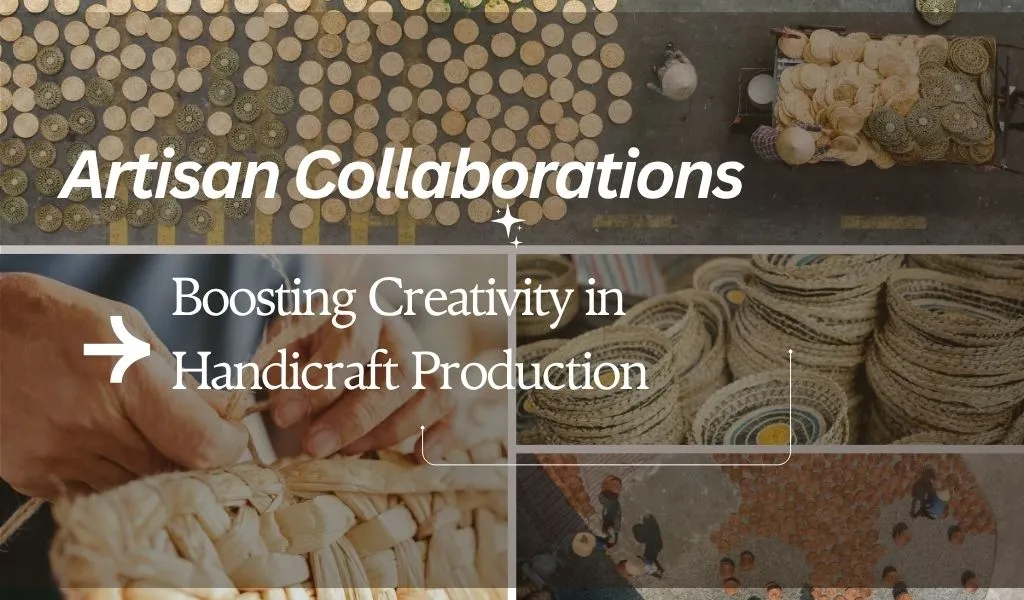
Handcrafted products captivate with their unique charm and cultural depth, thriving through artisan collaborations that spark creativity and sustainability. These partnerships blend traditional craftsmanship with innovative ideas, ensuring handicrafts remain vibrant in a competitive global market. By exploring various collaboration models, we uncover how they preserve heritage while driving economic and creative growth.
The Power of Collaborative Models
Artisan collaborations take many forms, each amplifying creativity and cultural value:
Co-Creation Projects: Artisans and designers merge traditional techniques with modern aesthetics, crafting products that resonate globally. These partnerships boost marketability by 30%, creating unique pieces that honor heritage while appealing to contemporary tastes.
Skill-Sharing Initiatives: Workshops facilitate mutual learning, with artisans teaching traditional methods and designers introducing market trends. This exchange enhances skills, improving productivity by up to 25%.
Community-Based Networks: Artisans pool resources and expertise in cooperative models, fostering efficiency and community bonds. These networks preserve techniques and strengthen cultural identity.
Digital Collaborations: E-commerce platforms and social media connect artisans with global consumers, increasing sales by 50% for those embracing digital tools.
These models empower artisans to innovate while safeguarding their craft’s essence, ensuring relevance in today’s market.
Designer-Artisan Partnerships
Designer-artisan collaborations blend innovation with tradition, yielding products that tell cultural stories through modern lenses. Co-design projects position artisans as active creators, shaping unique, market-ready pieces. Designers integrate artisan skills into brand narratives, showcasing craftsmanship globally while ensuring fair wages through ethical partnerships. These alliances balance cultural integrity with economic viability, empowering artisans and enriching the handicraft sector.
Community-Based Artisan Networks
Community networks harness collective effort to sustain crafts and boost economic resilience. Cooperative production models enhance marketing and distribution, ensuring fair compensation and better working conditions. Community-driven initiatives, supported by local organizations, offer training and market access, fostering environments where artisans thrive. These networks blend tradition with innovation, preserving cultural diversity while navigating global markets.
Benefits of Collaboration
Artisan collaborations deliver profound benefits:
Enhanced Creativity: Diverse perspectives and shared resources spark innovative designs, blending traditional and modern techniques.
Skill Development: Knowledge exchange through mentorship and workshops equips artisans with market-relevant skills.
Cultural Preservation: Partnerships document techniques and narratives, safeguarding heritage for future generations.
Economic Growth: Access to new markets and fair trade practices boosts income, uplifting communities.
These synergies ensure handicrafts remain a vibrant, sustainable industry.
Overcoming Challenges
Collaborations face hurdles like communication barriers, resource limitations, and power dynamics. Clear role definitions, cultural sensitivity, and equitable resource sharing mitigate these issues. Digital tools and training bridge technological gaps, while fair trade practices ensure artisans’ voices are heard, fostering harmonious partnerships.
The Role of Sustainability and Technology
Sustainability drives modern collaborations, with artisans adopting eco-friendly materials and methods to meet consumer demand. Technology, from digital platforms to design software, enhances production and market reach, enabling artisans to innovate while staying true to their roots. These trends ensure handicrafts thrive in a digital, eco-conscious world.
Looking Ahead
The future of artisan collaborations shines bright, with trends like cross-cultural partnerships, sustainable practices, and digital integration shaping the industry. By embracing these dynamics, artisans will continue to blend tradition with innovation, ensuring their crafts captivate global audiences.
At Ethical Handicraft Manufacturer (EHM), we celebrate these collaborations, crafting handwoven rattan and bamboo products that honor tradition and creativity. Join us in supporting a sustainable, vibrant handicraft future.