Bamboo kitchenware stands as a beacon of sustainable culinary solutions, capturing the hearts of eco-conscious cooks around the globe. In an era where our daily choices increasingly impact the health of our planet, bamboo emerges as a versatile, eco-friendly alternative to traditional kitchen items. Gone are the days when kitchenware meant choosing between plastic convenience and wood tradition; today, bamboo offers both function and responsibility in one elegant package. Imagine crafting your culinary masterpieces with tools that not only enhance your cooking but also the environment. The sense of empowerment that comes from knowing your kitchen choices support sustainable practices is unparalleled; it is like having the earth whisper a ‘thank you.’ This article delves into the myriad benefits, environmental impacts, and types of bamboo kitchenware available, guiding you through the care and selection process, and comparing bamboo with other materials. By the end, you’ll be equipped with knowledge and inspiration for a kitchen revolution, firmly rooted in sustainability.
Benefits of Bamboo Kitchenware
Bamboo kitchenware is more than a nod to Vietnam’s rich tradition of craftsmanship—it’s a triumph of modern sustainability. Known for its rapid growth, bamboo is a highly renewable resource that redefines kitchen tools. Lightweight yet durable, bamboo utensils, cutting boards, and serving ware boast natural antimicrobial properties, enhancing hygiene without chemical additives. Unlike plastic or metal, bamboo is biodegradable, reducing landfill waste. Picture stirring a simmering pot with a bamboo spoon that feels like an extension of nature itself—a perfect marriage of practicality and planetary care. Choosing bamboo isn’t a compromise; it’s a seamless integration of style, function, and sustainability.
Environmental Impact of Bamboo Kitchenware
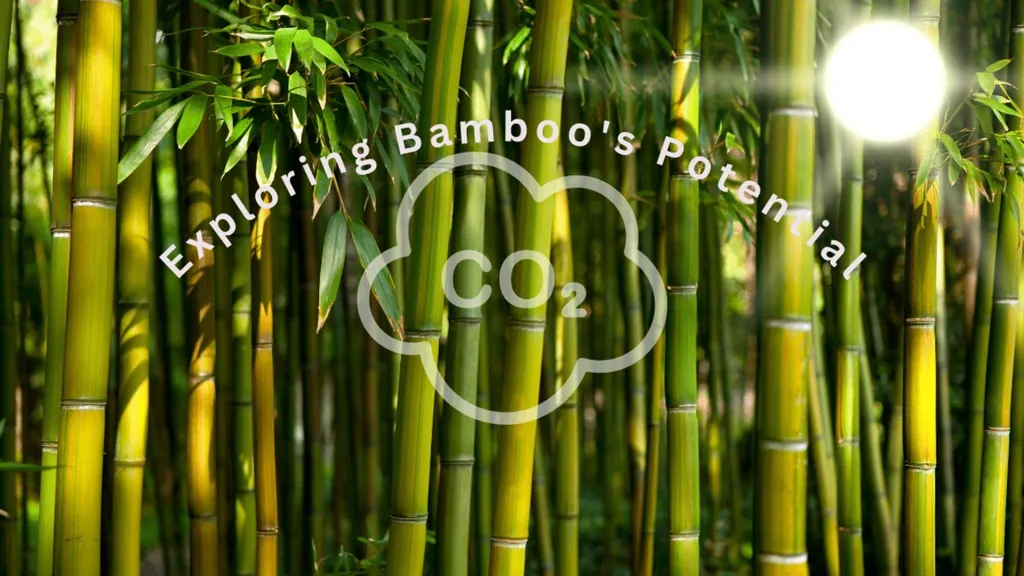
Bamboo is a sustainability superstar. As one of the fastest-growing plants, some species shoot up a meter daily, reaching harvest maturity in just three to five years—far quicker than hardwoods. This rapid renewal makes bamboo a powerful ally against deforestation, preserving biodiversity. It also sequesters carbon dioxide while releasing 35% more oxygen than equivalent trees, boosting air quality. Bamboo cultivation requires minimal water and no pesticides, thanks to its natural pest resistance, leaving a light ecological footprint. Crafting bamboo kitchenware demands less energy than producing plastic or metal alternatives, and its biodegradability ensures it enriches the soil upon disposal. Beyond the environment, bamboo supports Vietnamese rural communities, fostering economic growth without ecological harm.
Durability and Longevity
Bamboo kitchenware balances strength and elegance, making it a reliable choice for daily culinary tasks. Stronger than many hardwoods, bamboo resists chipping, cracking, and splitting, enduring countless knife strokes or stirs. Its flexibility absorbs impact, preventing fractures, while its natural moisture resistance prevents warping—unlike traditional wood. With proper care, such as handwashing and occasional oiling with food-safe mineral oil, bamboo maintains its sheen and functionality for years. A bamboo cutting board, for instance, can withstand rigorous chopping while remaining lightweight and stylish, proving that sustainability doesn’t sacrifice durability.
Antimicrobial Properties
Bamboo’s natural antimicrobial agent, “bamboo kun,” inhibits bacterial and fungal growth, making it a hygienic choice for food preparation. This built-in protection reduces cross-contamination risks without chemical coatings, unlike plastic or treated wood. Scientific studies confirm bamboo’s ability to resist bacteria, ensuring a cleaner cooking environment. Its hypoallergenic nature also makes it ideal for sensitive households, free from the toxic residues of synthetic materials. With bamboo, every meal is prepared with purity and peace of mind, rooted in nature’s own defenses.
Types of Bamboo Kitchenware
Bamboo’s versatility shines in a variety of kitchen tools, each crafted to blend functionality with eco-conscious design. From cooking utensils to serving ware, bamboo caters to every culinary need with sustainable flair.
Bamboo Utensils for Cooking
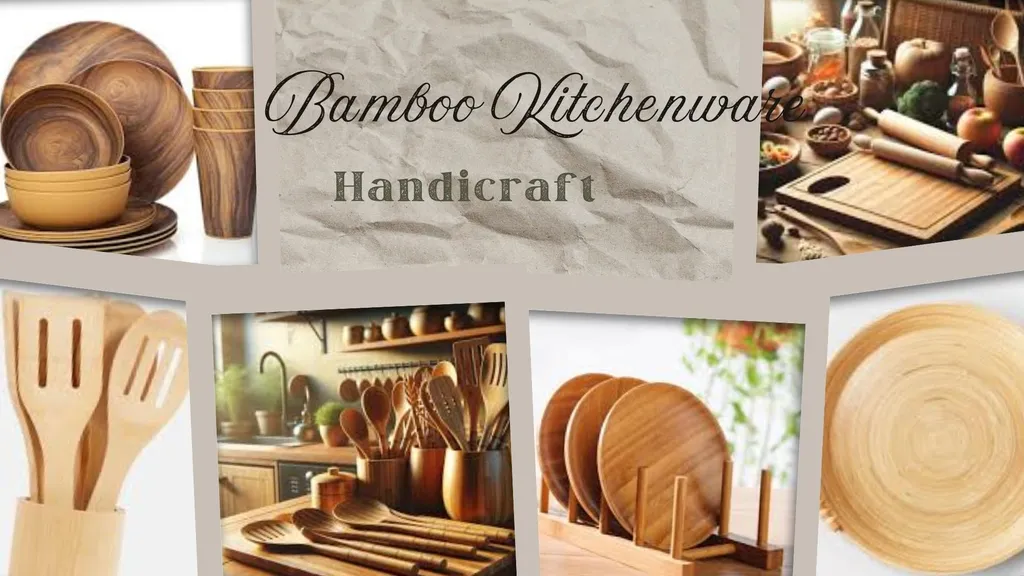
Bamboo spoons, spatulas, and tongs are kitchen essentials that combine lightweight elegance with robust performance. Heat-resistant and gentle on nonstick surfaces, they prevent scratches and melting, unlike metal or plastic. Their low thermal conductivity keeps handles cool during cooking, while antimicrobial properties ensure hygiene. Whether flipping stir-fries or mixing delicate batters, bamboo utensils elevate the cooking experience with eco-friendly grace.
Bamboo Cutting Boards
Bamboo cutting boards are a sustainable staple, offering durability and natural antibacterial properties. Resistant to knife scarring, they maintain smooth surfaces longer than many wooden boards. Lightweight yet sturdy, they’re easy to handle for any task, from chopping vegetables to carving roasts. Bamboo’s ability to regrow without replanting sets it apart from hardwoods, making it a greener choice that doesn’t dull knives or compromise style.
Bamboo Serving Bowls and Plates
Bamboo bowls and plates bring sustainable sophistication to dining. Lightweight, durable, and resistant to odors and stains, they’re perfect for vibrant salads or hearty mains. Their natural grain patterns add warmth to any table, blending aesthetics with practicality. Biodegradable and eco-friendly, bamboo serving ware transforms meals into mindful, planet-friendly experiences, ideal for both home and commercial settings.
Care and Maintenance
To keep bamboo kitchenware in top condition, simple care practices are key. Handwash with mild, eco-friendly soap and warm water, avoiding dishwashers to prevent warping. Dry immediately with a soft cloth to ward off moisture-related issues. Every few months, apply food-safe mineral oil to maintain sheen and moisture resistance. Store away from direct heat sources, like ovens, to prevent cracking. For stubborn stains, a vinegar-water solution works wonders. With these steps, your bamboo kitchenware will remain a lasting, sustainable asset.
Choosing the Right Bamboo Kitchenware
Selecting bamboo kitchenware involves balancing quality, style, and functionality. Opt for products from mature bamboo for maximum durability. Consider size and design to match your kitchen’s needs and aesthetic. Look for ethically sourced brands with certifications to ensure sustainability. Budget-friendly options abound, making bamboo accessible without compromising quality. Brands like Sunfloware and EcoCheph offer high-quality, stylish bamboo products that align with Vietnam’s artisanal heritage and eco-conscious values.
Bamboo kitchenware is more than a trend—it’s a movement toward sustainable, stylish, and functional culinary practices. Its rapid renewability, durability, and natural antimicrobial properties make it a standout choice for eco-conscious cooks. Rooted in Vietnam’s rich tradition of bamboo craftsmanship, these products blend artistry with environmental responsibility. By choosing bamboo, you’re not just equipping your kitchen—you’re supporting a greener planet and a brighter future for culinary creativity.