In an era where sustainability drives innovation, bamboo textiles shine as a beacon of eco-friendly promise in the fabric industry. Known for rapid growth and minimal resource needs, bamboo offers a compelling alternative to traditional materials like cotton and synthetics. As fashion embraces the green revolution, bamboo textiles combine versatility, comfort, and environmental responsibility, redefining industry standards. This blog explores the benefits, production processes, applications, and economic potential of bamboo textiles, showcasing their role in weaving a sustainable future.
Why Bamboo Textiles Stand Out
Bamboo textiles are more than a trend—they’re a testament to sustainable innovation. Their appeal lies in a unique blend of eco-friendly properties and consumer-focused benefits:
Rapid Growth: Bamboo grows up to three feet daily, maturing in 3–5 years, unlike cotton, which demands extensive time and resources.
Minimal Resources: Thriving on natural rainfall, bamboo requires little water and no pesticides or fertilizers, reducing environmental impact.
Biodegradability: Bamboo textiles naturally decompose, offering an eco-conscious alternative to synthetic fabrics.
Biodiversity Support: Bamboo’s root systems prevent soil erosion and foster micro-ecosystems, enhancing environmental health.
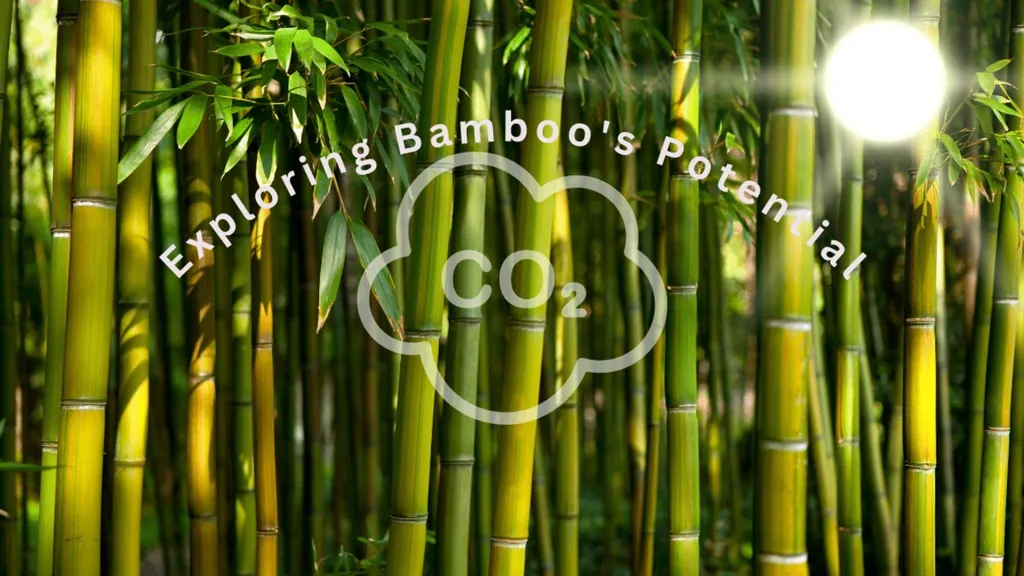
Carbon Sequestration: Absorbing up to 17 tonnes of CO2 per hectare annually, bamboo acts as a natural air purifier.
These qualities position bamboo as a frontrunner in sustainable textiles, balancing ecological benefits with practical appeal.
Comparing Bamboo to Traditional Fabrics
Bamboo textiles outshine traditional fabrics in comfort and sustainability:
Softness and Comfort: Bamboo rivals silk and cashmere for softness, offering a luxurious feel ideal for sensitive skin.
Moisture-Wicking: Bamboo absorbs and wicks moisture better than cotton, keeping garments dry and hygienic for activewear and undergarments.
Thermoregulation: Bamboo adapts to temperature, retaining warmth in winter and staying breathable in summer, unlike wool or polyester.
Antibacterial Properties: Naturally resistant to bacteria due to “bamboo kun,” bamboo reduces odors and requires less washing, extending garment life.
Hypoallergenic: Its smooth fibers minimize skin irritation, making it perfect for those with eczema or allergies.
While bamboo textiles may cost more initially, their durability and reduced environmental toll offer long-term value, challenging consumers to prioritize quality over quantity.
Manufacturing Bamboo Textiles
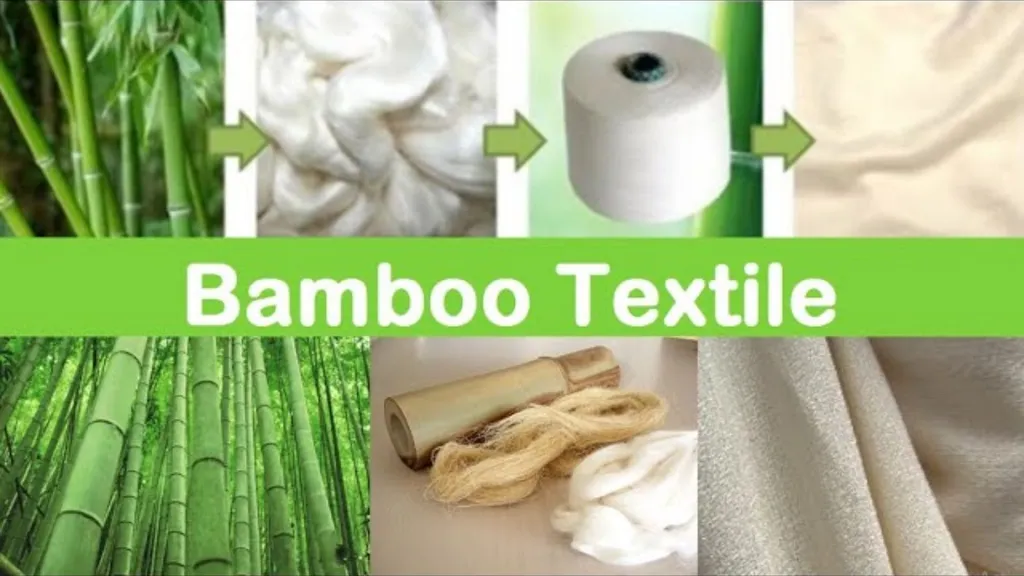
The journey from bamboo plant to fabric involves two primary methods, each with distinct environmental implications:
Mechanical Processing: This eco-friendly method crushes bamboo, uses natural enzymes to soften fibers, and spins them into yarn. It’s labor-intensive but avoids harmful chemicals, preserving bamboo’s green credentials.
Chemical Processing: Used for bamboo viscose, this method employs chemicals like sodium hydroxide to create soft, scalable fabrics. While efficient, it requires careful management to minimize environmental impact.
Innovations like closed-loop systems, which recycle 99% of chemicals, and enzymatic treatments are reducing the ecological footprint of chemical processing, aligning production with sustainability goals.
Applications of Bamboo Textiles
Bamboo’s versatility extends across industries, enhancing everyday products with sustainability and comfort:
Apparel: From T-shirts to athletic wear, bamboo’s softness, breathability, and moisture-wicking properties make it ideal for casual and performance clothing.
Home Goods: Bamboo bedding, towels, and curtains offer absorbency, thermal regulation, and hypoallergenic benefits, creating eco-friendly living spaces.
Medical Products: Bamboo’s antibacterial and hypoallergenic qualities shine in sanitary napkins, bandages, and medical apparel, ensuring hygiene and comfort.
These applications highlight bamboo’s ability to merge functionality with environmental responsibility.
Environmental Impact and Challenges
Bamboo textiles offer significant environmental benefits, from carbon sequestration to water efficiency. However, chemical processing poses challenges, as treatments like sodium hydroxide can introduce pollution if not managed responsibly. Innovations like closed-loop systems and enzymatic processing are addressing these concerns, ensuring bamboo’s eco-friendly promise is fully realized. Lifecycle assessments further guide the industry toward sustainable practices, minimizing environmental impact from production to disposal.
Ethical Sourcing and Consumer Awareness
Ethical sourcing is critical to bamboo’s sustainability. Bamboo lyocell, produced via closed-loop systems, is more eco-friendly than bamboo viscose, which relies on chemical processing. Transparent labeling empowers consumers to make informed choices, aligning purchases with environmental values. Certifications and regulatory frameworks, like those from the U.S. Federal Trade Commission, ensure clarity in textile origins, guarding against greenwashing. By prioritizing ethical sourcing, the industry upholds social responsibility and builds consumer trust.
Bamboo textiles represent a transformative force in sustainable fashion, blending environmental benefits with unparalleled comfort and versatility. As consumers and brands embrace eco-conscious choices, bamboo stands poised to redefine the textile industry. At Ethical Handicraft Manufacturer (EHM), we celebrate bamboo’s potential to weave a greener future, offering handcrafted products that embody sustainability and craftsmanship. Join us in supporting a movement where innovation meets responsibility, creating a world where eco-friendly fabrics thrive.