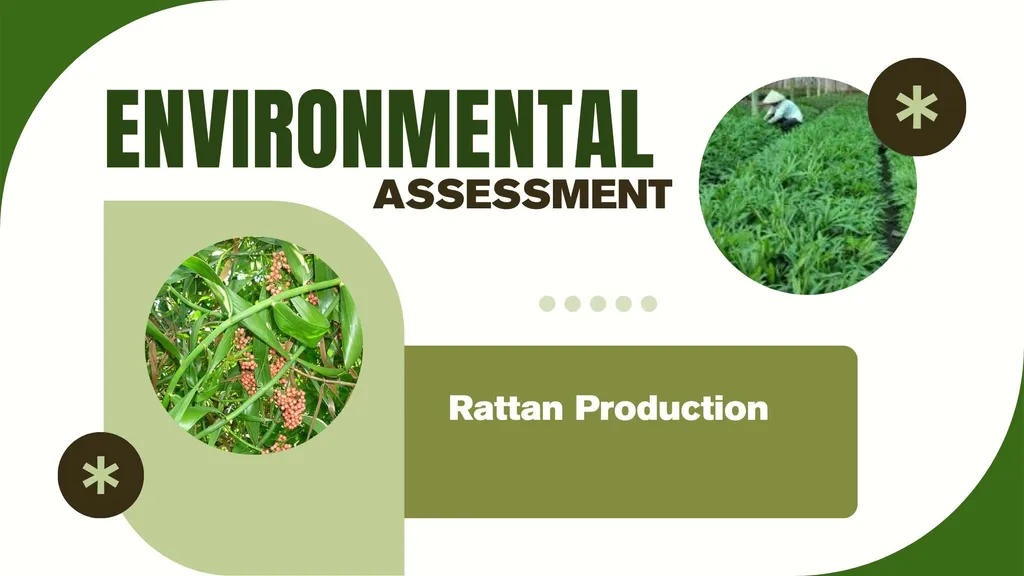
Rattan, with its intricate weaves and timeless elegance, is a cornerstone of artisanal craftsmanship. However, its production carries environmental implications that demand careful scrutiny to balance ecological health with economic benefits. This blog explores the environmental impacts of rattan production, delving into key factors, assessment methods, traditional versus modern practices, and sustainable strategies, culminating in a vision for responsible production that preserves ecosystems for future generations.
Factors Influencing Environmental Impact
The environmental footprint of rattan production hinges on soil quality, water management, and harvesting techniques, each interplaying with ecosystem health.
Soil Quality and Ecosystem Health
Healthy soils, rich in organic matter, are vital for rattan growth, supporting nutrient cycling and water retention. Degradation from overharvesting or poor practices can reduce yields, increase reliance on chemical fertilizers, and harm biodiversity. High biodiversity mitigates pests naturally, reducing chemical use, while maintaining forest cover prevents erosion and preserves moisture, ensuring ecosystem resilience.
Water Resource Management
Effective water management is critical for rattan cultivation. Optimized irrigation, like drip systems or rainwater harvesting, conserves resources while meeting plant needs. Over-extraction or poor management can deplete water tables, harm aquatic ecosystems, and exacerbate erosion, affecting broader biodiversity.
Harvesting Techniques
Traditional harvesting, rooted in cultural wisdom, emphasizes selective cutting to minimize ecosystem disruption and support regeneration. Modern mechanized methods prioritize efficiency but risk soil compaction and habitat loss if not managed sustainably. Balancing these approaches is key to long-term resource health.
Assessing Environmental Impact
Evaluating rattan production’s environmental impact requires both quantitative and qualitative methods to provide a holistic view.
Quantitative Methods
Life Cycle Assessment (LCA): Analyzes impacts from raw material extraction to disposal, identifying energy and material footprints.
Carbon Footprint Analysis: Quantifies greenhouse gas emissions to pinpoint mitigation opportunities.
Remote Sensing and GIS: Tracks land use changes and deforestation, offering spatial insights into environmental effects.
Qualitative Methods
Participatory Rural Appraisal (PRA): Engages communities to map ecological features and prioritize issues.
Focus Groups and Interviews: Capture stakeholder perspectives on environmental changes.
Case Studies: Provide in-depth insights into localized practices and their broader implications.
An Integrated Environmental Assessment (IEA) framework combines these methods, incorporating stakeholder engagement and policy evaluation to drive informed, sustainable decisions.
Traditional vs. Modern Production Methods
Traditional Methods
Rooted in cultural heritage, traditional methods use manual, selective harvesting to minimize environmental impact. They preserve biodiversity and soil health but face challenges in meeting large-scale demand due to labor intensity and limited market access.
Modern methods leverage technology, like Permacane for utilizing lower-quality rattan and automation for efficiency. These practices increase yields but must integrate sustainable measures to avoid environmental harm.
Mitigation Strategies
Sustainable Harvesting
Selective harvesting and RIL minimize ecological disruption, while community-led management ensures local benefits and knowledge integration. Policies enforcing permits and incentives further support sustainable practices.
Reforestation and Rehabilitation
Planting native species and restoring degraded lands enhance biodiversity and carbon sequestration. Community-led initiatives align restoration with local needs, creating economic opportunities like eco-tourism.
Policy and Regulation
National policies, such as harvesting quotas and conservation zones, regulate rattan extraction to prevent over-exploitation. International standards, like FSC certification, promote sustainable trade and consumer trust, aligning practices with global goals.
The environmental impact of rattan production demands a balanced approach, blending traditional wisdom with modern innovations. By prioritizing sustainable harvesting, robust assessments, and consumer-driven practices, the industry can thrive while safeguarding ecosystems. Ethical Handicraft Manufacturer (EHM) exemplifies this commitment, crafting high-quality rattan products with a focus on sustainability, ensuring a legacy of environmental stewardship for future generations.