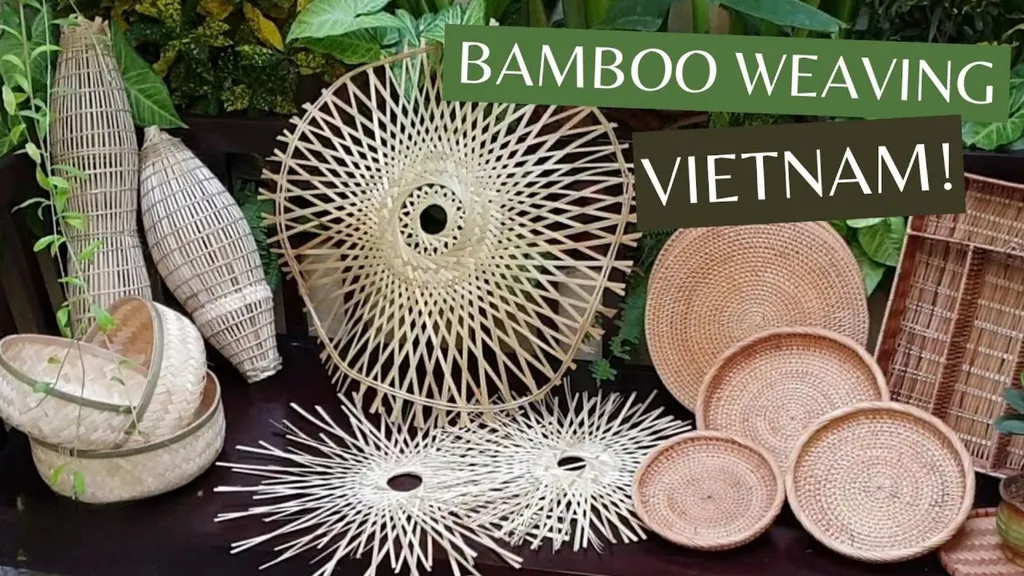
Bamboo weaving, a timeless craft, intertwines culture, artistry, and sustainability across Southeast Asia. This traditional practice transforms bamboo—a versatile, eco-friendly resource—into functional and decorative items, reflecting the region’s rich heritage. At Ethical Handicraft Manufacturer (EHM), we celebrate the artistry of Vietnamese bamboo weaving while exploring techniques from across Southeast Asia, showcasing their cultural significance and sustainable potential.
Historical Roots of Bamboo Weaving
Bamboo weaving has deep roots in Southeast Asia, where communities have long relied on bamboo’s lightweight, flexible, and strong properties. For centuries, artisans have crafted baskets, mats, and tools, with techniques evolving alongside cultural practices. Bamboo’s rapid growth—maturing in just three to five years—makes it a sustainable choice, embodying resourcefulness and environmental harmony. Each woven piece carries the maker’s cultural and geographical identity, from Vietnam’s iconic nón lá to Indonesia’s geometric textiles.
Bamboo Varieties in Weaving
Southeast Asia’s diverse bamboo species fuel the creativity of artisans. Notable varieties include:
Moso Bamboo: Robust and flexible, ideal for baskets and durable items.
Guadua Bamboo: Strong and sturdy, used for structural pieces.
Tonkin Bamboo: Slender and delicate, perfect for intricate, lightweight designs.
Black Bamboo: Striking for decorative items, requiring skilled treatment.
Calcutta Bamboo: Vibrant and flexible, suited for detailed patterns.
Each type offers unique textures and strengths, enabling artisans to craft a wide range of products that blend functionality with cultural expression.
Traditional Techniques by Country
Bamboo weaving techniques vary across Southeast Asia, reflecting local customs and environments:
Vietnam: Artisans excel in crafting nón lá (conical hats) using thin bamboo strips and palm leaves, woven into intricate patterns symbolizing protection and beauty. These hats are both practical and emblematic of Vietnamese identity.
Indonesia: The Baduy tribe creates geometric designs with natural dyes, embedding spiritual and cultural meanings into their textiles through labor-intensive tie-and-dye techniques.
Philippines: Indigenous groups like the Ifugao and T’boli weave bamboo into ceremonial garments and household items, such as inabel blankets and t’nalak cloth, blending utility with heritage.
Thailand: Bamboo is integrated with silk weaving to produce vibrant, ornamental textiles that reflect regional identities and spiritual beliefs, used in ceremonies and daily life.
These techniques highlight bamboo’s role as a medium for cultural storytelling and sustainable craftsmanship.
Contemporary Innovations
Modern bamboo weaving blends tradition with innovation. Artisans are incorporating bamboo into contemporary furniture, decor, and fashion, appealing to eco-conscious consumers. Digital design tools enable intricate patterns, while workshops and online platforms pass skills to younger generations. Cross-regional collaborations foster hybrid styles, expanding bamboo weaving’s global appeal while preserving cultural roots.
Environmental and Cultural Impact
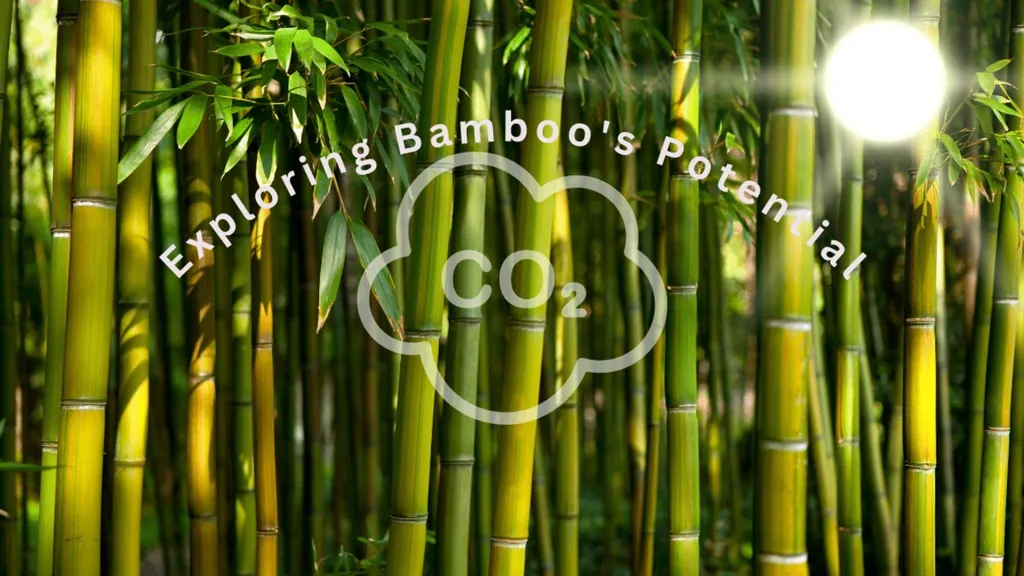
Bamboo weaving is inherently sustainable, leveraging bamboo’s rapid growth and renewability. Its deep root systems prevent soil erosion, enhance fertility, and sequester carbon, supporting climate change mitigation. By preserving traditional techniques, artisans sustain cultural heritage while creating sustainable livelihoods. At EHM, we champion these practices, promoting eco-friendly craftsmanship that honors Vietnam’s legacy.
Preserving and Promoting Bamboo Weaving
Efforts to preserve bamboo weaving include documenting techniques, hosting community workshops, and fostering cultural exchanges. Governments and NGOs support artisans through training and marketing, while e-commerce platforms expand their reach. These initiatives ensure the craft’s survival, blending tradition with modern market demands.
Future Trends
The future of bamboo weaving in Southeast Asia is bright, driven by:
Technology: Digital tools and training programs enhance design efficiency and skill-sharing.
Sustainability: Growing demand for eco-friendly products boosts bamboo’s appeal.
Cultural Revitalization: Traditional motifs are integrated into modern designs, preserving heritage.
Market Expansion: Bamboo products are entering fashion and interior design, broadening their appeal.
At EHM, we are committed to advancing bamboo weaving in Vietnam, celebrating its cultural and environmental value while embracing innovation. This craft not only connects us to Southeast Asia’s heritage but also paves the way for a sustainable, creative future.