Bamboo’s remarkable journey from ancient Asian forests to modern eco-friendly designs showcases its unmatched versatility. Revered for its strength, flexibility, and rapid growth, bamboo has been a cornerstone of human innovation for centuries. From ancient tools to sustainable architecture, this resilient plant has shaped cultures and continues to inspire sustainable solutions. Explore bamboo’s enduring legacy and its role in today’s eco-conscious world.
Ancient Uses of Bamboo
Bamboo’s significance in early civilizations stems from its durability and adaptability. Across Asia, it was a vital resource for survival, used in everything from housing to weaponry. Its role in ancient China and Southeast Asia highlights its importance as more than just a plant—it was a lifeline for communities.
Tools and Weapons
Bamboo’s natural properties made it ideal for crafting tools and weapons. In ancient China, its sharp, easily shaped stalks were transformed into spears, arrows, and traps for hunting and defense. Hollow bamboo sections served as containers for storing food and liquids, laying the foundation for modern storage solutions. Archaeological discoveries across Asia confirm bamboo’s critical role in early societies.
Construction: Treehouses and Bridges
Bamboo’s strength and flexibility made it a go-to material for construction. In Southeast Asia and parts of Africa, it was used to build treehouses that withstood floods and predators, blending human ingenuity with nature. Bamboo bridges, known for their elasticity and durability, spanned rivers and inspired modern engineering. These structures remain iconic examples of bamboo’s architectural potential.
Cultural Significance in Ancient China
In ancient Chinese culture, bamboo was more than a resource—it was a symbol of resilience and integrity. As one of the “Four Gentlemen” in Chinese art, alongside plum blossoms, orchids, and chrysanthemums, bamboo represented uprightness and strength. Its graceful form appeared in ink-wash paintings and poetry, embodying philosophical ideals of humility and balance that continue to resonate today.
Bamboo in Traditional Medicine
Bamboo’s healing properties were recognized in traditional Chinese, Tibetan, and Ayurvedic medicine. Rich in bioactive compounds like flavonoids and antioxidants, bamboo leaves and shoots were used to treat respiratory issues, regulate body heat, and heal skin conditions. Modern research validates these ancient remedies, highlighting bamboo’s enduring therapeutic potential.
Religious and Symbolic Roles
Bamboo’s spiritual significance is evident in Buddhist practices, where its hollow form symbolizes detachment and humility. In Feng Shui, bamboo arrangements attract positive energy, with “lucky bamboo” stalks representing blessings like love and prosperity. From temple altars to Zen gardens, bamboo connects the physical and spiritual realms.
Bamboo in Art and Literature
Bamboo’s elegance and resilience have inspired artists and writers for centuries. In East Asian ink paintings, it symbolizes purity and endurance, often depicted alongside the “Four Gentlemen.” In literature, works like Japan’s Tale of the Bamboo Cutter use bamboo to explore themes of beauty and transience. Its presence in festivals like Tanabata, where wishes are tied to bamboo leaves, underscores its cultural depth.
Bamboo in Agriculture and Cuisine
Bamboo shoots are a culinary staple in Asian cuisine, valued for their crunch and nutritional benefits. Used in curries, pickles, and stir-fries, they add flavor and texture to dishes. Bamboo leaves, used as natural wrappers for steaming, impart a unique aroma and enhance sustainable cooking practices. These traditions highlight bamboo’s role in both food and culture.
Modern Applications: A Sustainable Future
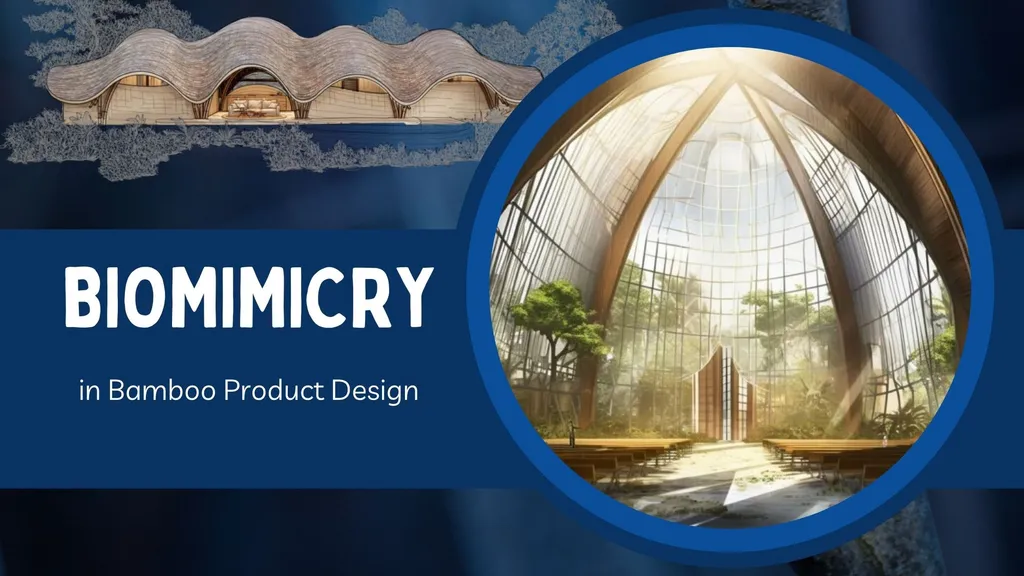
Today, bamboo is a champion of sustainability, addressing global environmental challenges. Its rapid growth and minimal resource needs make it an eco-friendly alternative to timber and cotton. In architecture, bamboo’s strength and flexibility shine in earthquake-resistant designs and iconic structures like The Arc by Ibuku. In textiles, bamboo fibers create breathable, antibacterial fabrics for clothing and home goods, meeting the demand for sustainable fashion.
Environmental Benefits
Bamboo’s ecological impact is profound. As a fast-growing plant, it sequesters carbon efficiently, rivaling trees. Its root systems prevent soil erosion and enrich biodiversity, supporting ecosystems and sustainable agriculture. Bamboo’s role in bioplastics and renewable energy further cements its place in green innovation.
Bamboo’s journey from ancient tools to modern sustainable solutions reflects its timeless value. Its strength, versatility, and eco-friendly nature continue to inspire innovation while honoring cultural traditions. For high-quality, sustainable bamboo products, explore the offerings of Ethical Handicraft Manufacturer (EHM) at handicraftmanufacturer.com, where craftsmanship meets environmental stewardship.