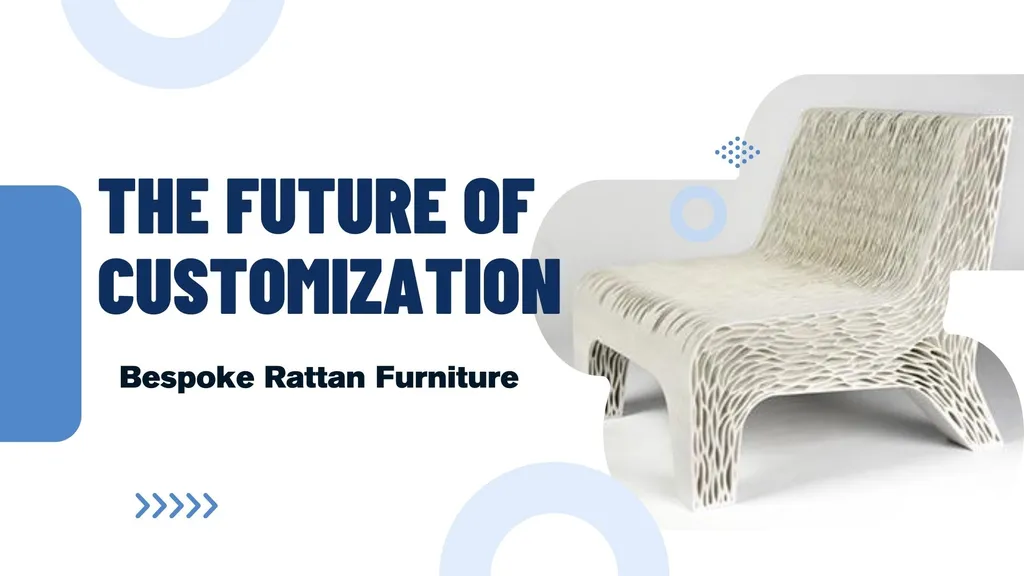

Traditional handicrafts, such as intricately woven bamboo and rattan products, embody cultural heritage and artistic legacy passed down through generations. These crafts are more than mere products—they are cultural artifacts with deep historical significance. However, in today’s global marketplace, artisans face significant challenges in protecting their designs due to complex intellectual property (IP) issues. This article explores the critical aspects of IP in traditional handicrafts, the legal tools available, and the threats posed by imitation, globalization, and cultural appropriation, offering insights into how artisans can safeguard their creations.
Understanding Intellectual Property in Handicrafts
Traditional handicrafts, like bamboo weaving or pottery, represent a blend of creativity and cultural narrative. IP laws, originally designed for modern industries, aim to protect these creations from unauthorized use, but their application to communal, heritage-based crafts is often misaligned. Copyrights, trademarks, geographical indications (GIs), and industrial designs can shield artisans from imitation, yet the communal nature of traditional knowledge complicates their use. Recognizing the unique needs of artisans is key to ensuring IP frameworks preserve both their livelihood and cultural heritage.
Types of Intellectual Property for Handicrafts
Several IP tools are relevant for protecting traditional handicraft designs:
Copyright: Protects original artistic elements, such as patterns or motifs, but requires formal registration to prevent unauthorized reproductions.
Trademarks: Safeguard brand identifiers like logos or names, helping artisans build trust and distinguish their work in competitive markets.
Geographical Indications (GIs): Link crafts to their region of origin, ensuring authenticity, as seen in products like Kanchipuram sarees or Darjeeling tea.
Industrial Designs: Protect the aesthetic aspects of crafts, preventing replication of unique shapes or patterns.
Trade Secrets: Safeguard proprietary techniques, such as specialized weaving methods, that give artisans a competitive edge.
Despite their potential, these tools often clash with the collective nature of traditional crafts, requiring tailored approaches to align with artisans’ cultural and economic realities.
Legal Frameworks for Protecting Handicraft Designs
The legal landscape for protecting handicrafts integrates local customs and international IP laws, creating both opportunities and challenges:
Trademarks: Enable artisans to establish brand identity, fostering consumer trust and market differentiation.
Copyrights: Protect creative designs but demand rigorous documentation, posing barriers for resource-limited artisans.
Design Rights: Secure the visual uniqueness of crafts, though formal registration is often complex.
Geographical Indications: Tie crafts to their cultural origins, enhancing authenticity and market value while combating counterfeits.
Harmonizing these frameworks with traditional knowledge ensures artisans can protect their heritage while competing globally, though legal complexities and resource constraints remain hurdles.
Role of Trademarks in Handicraft Branding
Trademarks are vital for artisans to carve a niche in crowded markets. They establish a unique brand identity, fostering consumer loyalty and trust. By protecting logos, names, or symbols, trademarks differentiate authentic crafts from imitations, amplifying their cultural and commercial value. For example, a trademarked bamboo basket design can convey its artisanal story, enhancing market appeal while providing legal recourse against infringements.
Challenges to Protecting Handicrafts
Traditional handicrafts face multiple threats that undermine their cultural and economic value:
Counterfeiting and Imitation
Counterfeits erode authenticity by flooding markets with cheap replicas, diminishing demand for genuine crafts. Artisans, often operating in informal setups, lack the resources to pursue legal action, making them vulnerable to exploitation. This not only impacts their income but also risks cultural dilution as fake products strip away the heritage embedded in authentic designs.
Impact of Globalization
Globalization offers artisans access to broader markets but also introduces competition from mass-produced goods. Consumer preferences for low-cost alternatives pressure artisans to adapt, potentially compromising cultural authenticity. Additionally, globalization fuels cultural appropriation, where designs are commercialized without acknowledgment, further marginalizing artisans.
Cultural Appropriation
Cultural appropriation occurs when traditional designs are used without respect or compensation, reducing sacred motifs to mere aesthetics. This exploitation undermines artisans’ cultural identity and economic prospects. Weak IP protections exacerbate the issue, leaving artisans defenseless against misuse in global markets.
Solutions for Protecting Handicraft Designs
Protecting traditional handicrafts requires innovative and community-driven approaches:
Community-Based Approaches
Collective ownership models, such as shared trademarks or certification marks, empower artisan communities to protect their crafts. By leveraging GIs, artisans can emphasize their products’ cultural origins, enhancing marketability. Education programs on IP rights further equip artisans to navigate legal systems, fostering resilience against exploitation.
Case Studies of Success
Successful IP protection examples, like the GI status for Darjeeling tea or Sambalpuri Ikat, demonstrate the power of legal tools. These protections curb imitation, boost market access, and preserve cultural heritage, offering a blueprint for other artisan communities.
Leveraging Geographical Indications
GIs link crafts to their geographic origins, ensuring authenticity and commanding premium pricing. For instance, a GI for a region’s bamboo weaving can deter counterfeits while celebrating its cultural narrative, strengthening artisans’ economic and cultural standing.
Digital Technology in IP Protection
Digital tools, such as blockchain for authenticating designs or online platforms for global sales, enhance IP protection. Digital archiving preserves craft designs, while e-commerce expands market reach, allowing artisans to compete while safeguarding their heritage.
Protecting the intellectual property of traditional handicrafts is essential to preserving cultural heritage and ensuring artisans’ economic viability. By leveraging copyrights, trademarks, GIs, and digital tools, artisans can safeguard their designs against counterfeiting, globalization, and appropriation. Community-based approaches and successful case studies highlight the potential for IP to empower artisans. Ethical Handicraft Manufacturer (EHM), a leader in sustainable bamboo and rattan craftsmanship, exemplifies how respect for tradition and innovation can coexist, offering a model for artisans worldwide to protect their legacy while thriving in the global marketplace.