In the realm of traditional crafts, few activities are as rewarding and profound as the practice of natural dyeing. Revered for its historical significance and ecological benefits, natural dyeing transforms everyday materials into vibrant pieces of art. Among the substrates for this craft, rattan and bamboo stand out, not only for their sustainability but also for their beautiful results when dyed. This intricate dance of chemistry and creativity offers a sustainable alternative to synthetic dye processes, bringing colors derived from nature roots, flowers, leaves, and even insects onto crafted materials. This article delves into the nuances of natural dyeing processes suitable for rattan and bamboo, offering insights into the diverse methods, techniques, and resources available for craft enthusiasts and eco-conscious artists alike.
Why Choose Natural Dyes for Rattan and Bamboo?
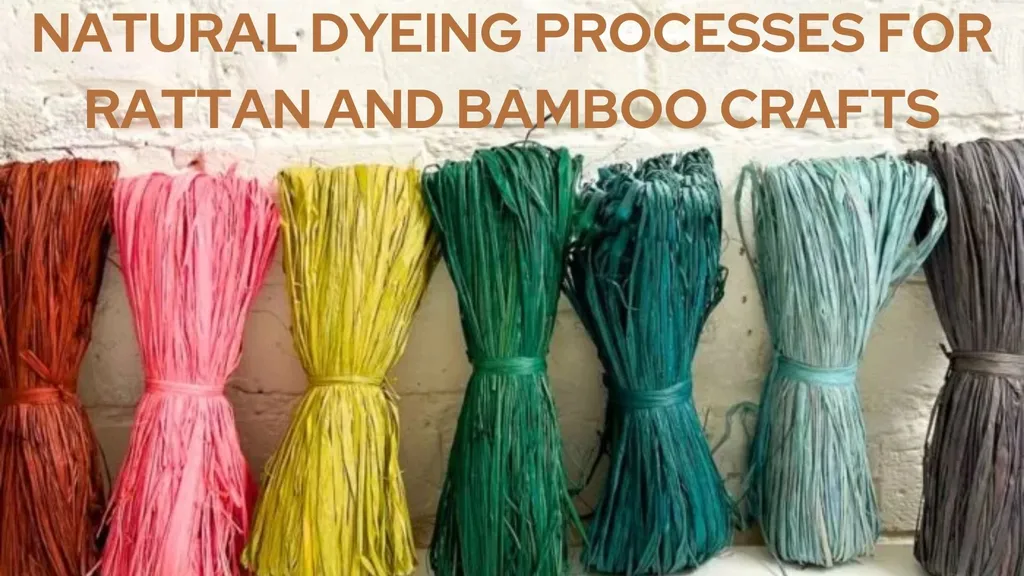
Rattan and bamboo are ideal for natural dyes due to their porous, absorbent fibers, which yield rich, lasting colors. Natural dyes, sourced from plants like indigo (deep blues), turmeric (bright yellows), and madder root (reds and pinks), provide eco-friendly alternatives to petroleum-based synthetic dyes. They biodegrade naturally, minimizing environmental harm, and produce unique, non-uniform shades that celebrate craftsmanship. Mordants like alum or iron enhance color fixation, ensuring durability while preserving the materials’ natural texture.
Preparing Rattan and Bamboo for Dyeing
Proper preparation ensures vibrant, even dye results. Start by cleaning rattan and bamboo to remove dust, oils, or waxy coatings:
Dust Removal: Use a soft brush or vacuum with a brush attachment to clear debris from intricate patterns.
Washing: Wipe with a damp cloth and mild soap solution, rinsing thoroughly to avoid residue.
Dewaxing: Apply a vinegar-water mix (1:1) to remove natural waxes, then rinse and dry in shade to prevent sun damage.
Mordanting: Soak in a mordant solution (e.g., alum for brightening, iron for deeper tones) to enhance dye absorption and colorfastness.
These steps prime the fibers for uniform dye uptake, preserving their strength and flexibility.
Natural Dye Extraction Techniques
Extracting dyes from natural sources is both an art and a science. Common methods include:
Boiling: Simmer plant materials (e.g., indigo leaves or madder roots) in water to release pigments. Strain the liquid for a dye bath.
Acid/Alkali Extraction: Use vinegar (acidic) or soda ash (alkaline) to extract pH-sensitive pigments, like anthocyanins from berries.
Fermentation: Soak plants like indigo to release dyes through natural enzymatic reactions, ideal for deep colors.
Microwave/Ultrasonic: Modern methods use microwave heat or ultrasonic waves for faster, efficient extraction, though they require specialized equipment.
Each method impacts color intensity and shade, allowing artisans to experiment with nature’s palette.
Dyeing Techniques for Rattan and Bamboo
Two primary dyeing methods suit rattan and bamboo:
Cold Water Dyeing: Soak materials in dye at room temperature for gentle, pastel hues. This preserves fiber integrity but requires longer soaking times.
Heat Dyeing: Heat dye baths (60°C+) for vibrant, saturated colors. Monitor temperatures to avoid weakening fibers.
For creative effects, try ombre dyeing:
- Prepare a dye bath with varying concentrations.
- Submerge one end of the bamboo longer for deeper color, gradually lifting to create a gradient.
- Swish gently for smoother transitions or add a second dye for complexity.
- Dry vertically and seal to protect the gradient.
These techniques highlight rattan and bamboo’s natural beauty, creating stunning, sustainable crafts.
Crafting with Ethical Handicraft Manufacturer (EHM)
By embracing natural dyeing, artisans create rattan and bamboo crafts that are both beautiful and environmentally responsible. For premium, sustainably crafted products, explore the offerings of Ethical Handicraft Manufacturer (EHM) at handicraftmanufacturer.com. EHM’s commitment to eco-friendly practices ensures every piece reflects the artistry and sustainability of natural dyeing.