
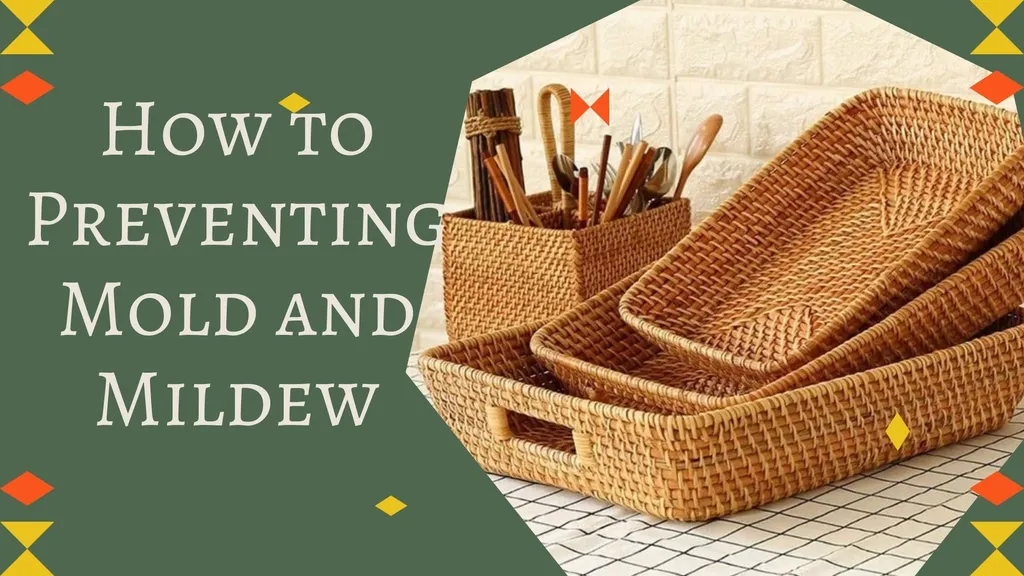
Rattan handicrafts bring natural elegance to any space, but mold and mildew can quickly dull their charm. These fungi thrive in humid, warm conditions, threatening both the beauty and durability of rattan. By understanding mold growth and adopting simple preventive measures, you can keep your rattan pieces vibrant for years. This guide shares practical strategies to protect your handicrafts, ensuring they remain timeless treasures.
Why Mold Prevention Matters
Mold and mildew don’t just blemish rattan’s surface—they weaken its structure, cause discoloration, and release musty odors. Worse, they can trigger allergies or respiratory issues. Rattan’s porous nature makes it especially vulnerable to moisture, creating a perfect breeding ground for fungi. Preventing mold is not only about preserving aesthetics but also safeguarding health and craftsmanship.
How Mold Grows on Rattan
Mold needs three things to thrive: moisture, warmth, and organic material. Rattan, being fibrous and organic, is an ideal host when exposed to humidity or poor airflow. Mold can start forming within 24-48 hours on damp rattan, making swift action critical. Controlling these conditions is key to keeping your handicrafts mold-free.
Key Factors Behind Mold Growth
High Humidity: Levels above 50% encourage mold proliferation, especially in poorly ventilated spaces.
Poor Ventilation: Stagnant air traps moisture, creating a haven for fungi.
Water Exposure: Spills or overzealous cleaning can leave rattan damp, inviting mold.
Organic Residues: Dust and debris on rattan provide nutrients for mold to feed on.
Addressing these factors through targeted strategies can significantly reduce mold risks.
Best Practices to Prevent Mold
Protecting rattan handicrafts requires a mix of environmental control and regular care. Here’s how to keep mold at bay:
Keep Rattan Dry
Moisture is mold’s best friend, so keeping rattan dry is essential. After cleaning or accidental spills, ensure pieces air-dry completely in a well-ventilated area. Use fans or open windows to boost airflow, and consider brief exposure to morning sunlight to sterilize surfaces. Avoid soaking rattan during cleaning—use minimal water and dry promptly.
Optimize Storage Conditions
Store rattan in dry, breathable environments with humidity between 30-50%. Use dehumidifiers to control moisture and maintain moderate temperatures. Avoid plastic covers, which trap dampness, and opt for breathable fabric instead. Elevate items off the ground to prevent water accumulation.
Control Indoor Humidity
Dehumidifiers are your allies in humid climates, keeping moisture levels in check. Pair them with fans or ventilation systems to promote air circulation. Place silica gel packets in storage areas for extra moisture absorption. Designate dry zones in your home for rattan items, away from humid areas like kitchens or bathrooms.
Clean Smartly
If mold appears, act fast with natural solutions like a 1:10 vinegar-water mix or a baking soda paste to gently scrub affected areas. Avoid oversaturation and rinse thoroughly. For tougher cases, diluted bleach (1:10 with water) can work, but test first to avoid discoloration. After cleaning, apply natural oils like tea tree to nourish rattan and deter future mold.
Regular Maintenance
Weekly inspections can catch mold early. Check weaves and undersides for signs of fungi, using mirrors for hard-to-see spots. Monitor humidity with sensors to stay ahead of risks. Apply protective coatings like polyurethane or tung oil to seal rattan against moisture while enhancing durability.
Long-Term Protection Tips
Use Protective Finishes: Sealants like polyurethane or shellac shield rattan from moisture and UV damage, preserving its luster.
Leverage Technology: Dehumidifiers and ventilation systems create mold-resistant environments.
Shield from Elements: Use UV-protective curtains or treated fabrics for outdoor rattan to guard against sun and rain.
By combining these strategies, you can protect your rattan handicrafts from mold and mildew, ensuring they remain stunning and durable. For high-quality, ethically crafted rattan pieces, explore the collections at Ethical Handicraft Manufacturer (EHM), where craftsmanship meets sustainability.