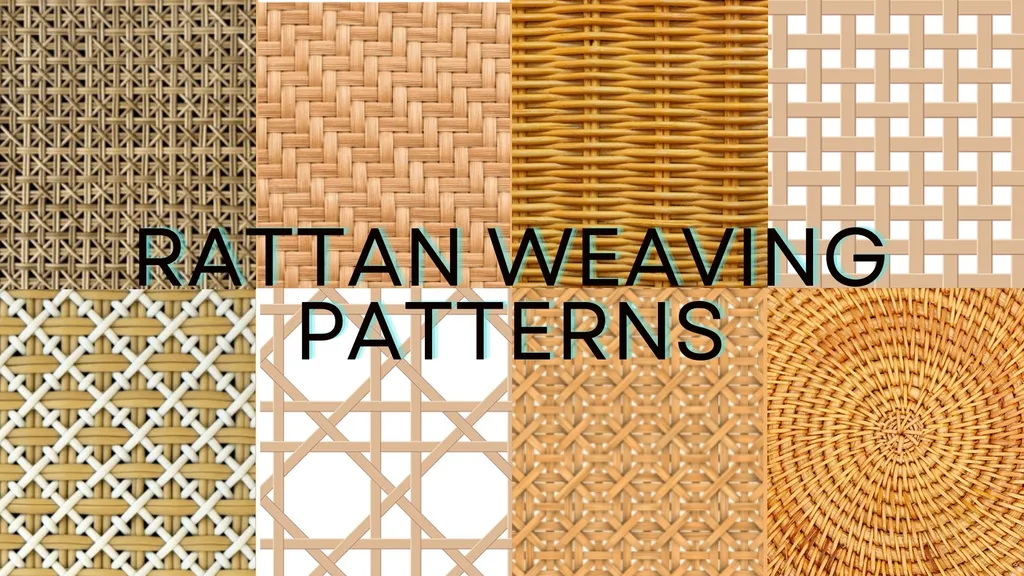
Rattan weaving patterns offer a fascinating look into the blend of craftsmanship, tradition, and innovation in design. This ancient craft has transcended generations, evolving into a sophisticated art form that seamlessly combines beauty with function. From the tropical jungles where rattan is sourced, this sustainable material travels into artisans’ hands, who transform it into exquisite decor, furnishings, and everyday items. The allure of rattan lies not only in its durability but also in its ability to be molded into a variety of patterns, ranging from the straightforward over-under weave to intricate designs like spiderwebs or the Star of David. Understanding rattan weaving patterns allows us to appreciate the skill and creativity involved in turning a raw material into a piece of art, all the while preserving cultural narratives and adapting to contemporary aesthetics. This journey from simple to complex designs showcases rattan’s versatility, offering a window into a world where utility and artistry coexist harmoniously.
Exploring Rattan Weaving Patterns
Rattan weaving patterns are more than just techniques—they tell stories of culture, history, and innovation. Each weave, from basic to elaborate, serves a purpose, blending aesthetics with structural integrity.
Simple Weaves: The Foundation
Basic patterns, like the over-under weave, are the starting point for beginners. These weaves create a sturdy, balanced structure ideal for baskets or furniture upholstery. Their simplicity ensures durability, making them perfect for items that endure frequent use.
Intermediate Techniques: Adding Texture
As artisans progress, they explore techniques like twining and plaiting. Twining twists multiple rattan strands together, adding elegance and texture, while plaiting creates flat, strong surfaces often seen in basketry or decorative accents. These methods enhance both visual appeal and strength.
Complex Designs: Artistry in Motion
Advanced patterns, such as Herringbone or Chevron, demand precision and skill. The Herringbone’s V-shaped formation or the intricate Basketweave offer striking visuals while maintaining durability. These designs elevate rattan pieces into works of art, blending tradition with contemporary aesthetics.
Why Weaving Patterns Matter
Choosing the right weaving pattern is critical for both form and function. Here’s why:
Structural Integrity: Simple weaves like over-under provide a strong foundation for furniture or storage solutions, ensuring longevity under heavy use.
Aesthetic Appeal: Patterns like Herringbone or Basketweave add texture and elegance, transforming everyday items into luxurious decor.
Functionality: Tight weaves suit sturdy items like chairs, while open weaves are ideal for breathable, lightweight pieces like baskets or light fixtures.
Skill Development: Mastering simple weaves builds confidence, while complex patterns challenge artisans to refine their craft and innovate.
Cultural Significance: Many patterns carry historical and cultural meaning, preserving traditions and adding depth to each creation.
Crafting Beauty with Purpose
Rattan weaving patterns bridge utility and artistry, turning raw materials into functional masterpieces. From simple weaves to intricate designs, each pattern reflects the artisan’s skill and the material’s versatility. For those passionate about sustainable, handcrafted beauty, Ethical Handicraft Manufacturer (EHM) offers exquisite rattan creations that honor tradition while embracing modern design.