Bamboo is more than a plant in Asian cultures—it’s a symbol of resilience, versatility, and sustainability deeply woven into the social, spiritual, and practical fabric of societies. From ancient architecture to modern eco-friendly designs, bamboo’s enduring legacy reflects a profound connection to nature and cultural heritage. This blog explores bamboo’s historical, symbolic, and practical significance across Asia, highlighting its timeless role in shaping traditions and sustainable living.
Historical Roots of Bamboo in Asia
Bamboo has been a cornerstone of Asian civilizations for millennia, shaping cultural, architectural, and technological landscapes. Its strength, flexibility, and rapid growth made it indispensable in ancient societies. In construction, bamboo was used for shelters, bridges, and homes, its elasticity ideal for regions prone to earthquakes and typhoons. In ancient China, bamboo strips served as early writing materials, preserving knowledge before paper’s invention, credited to Cai Lun during the Han Dynasty. Bamboo’s fibers also revolutionized paper production, advancing communication and record-keeping. Archaeological findings, like bamboo tools and ritual artifacts, further reveal its multifaceted role in daily life and spiritual practices, cementing its historical significance.
Bamboo in Traditional Architecture
Bamboo’s unique properties—tensile strength rivaling steel and natural flexibility—have made it a staple in Asian architecture. Traditional structures like the Philippines’ Bahay Kubo or Southeast Asia’s stilt houses leverage bamboo’s lightweight durability, ideal for flood-prone and humid environments. Iconic bamboo bridges and Hong Kong’s bamboo scaffolding showcase its elegance and efficiency. Today, bamboo’s sustainability drives its use in modern green architecture, blending cultural aesthetics with eco-conscious design, ensuring its relevance in both traditional and contemporary contexts.
Symbolism of Bamboo in Asian Cultures
Bamboo’s symbolism runs deep, embodying resilience, strength, and humility across Asian traditions. In Chinese culture, it represents integrity and perseverance, often depicted in ink wash paintings as one of the “Four Gentlemen,” symbolizing virtuous qualities. In Vietnam, bamboo signifies national pride, as seen in the legend of Saint Giong, where it symbolizes resistance against adversity. Japanese Zen traditions associate bamboo with purity and simplicity, reflected in tea ceremonies and haiku poetry. Its hollow structure mirrors humility, while its ability to bend without breaking inspires philosophical ideals of adaptability and endurance.
Bamboo in Art, Literature, and Rituals
Bamboo’s elegance inspires Asian art and literature, from Chinese ink paintings to Japanese sumi-e, where it symbolizes timeless strength and minimalism. Poets like Li Bai used bamboo to evoke resilience and contemplation, while in folklore, it represents fidelity and endurance. In festivals, such as Vietnam’s Bamboo Moon Festival or Chinese New Year, bamboo decorations symbolize prosperity and renewal. In India, bamboo’s sacred link to Lord Krishna’s flute underscores its spiritual role in Hindu rituals, weaving it into the cultural and spiritual tapestry of Asia.
Practical Uses in Daily Life
Bamboo’s versatility extends to everyday applications, from construction to cuisine. In homes, it’s crafted into furniture, utensils, and textiles, valued for its durability and eco-friendly properties. Bamboo shoots are a culinary staple in dishes like Chinese stir-fries or Japanese takenoko gohan, prized for their texture and nutrition. Bamboo leaves wrap foods like zongzi, infusing unique flavors. In crafts, artisans create intricate baskets and musical instruments, preserving traditional skills while supporting sustainable livelihoods.
Spiritual and Environmental Significance
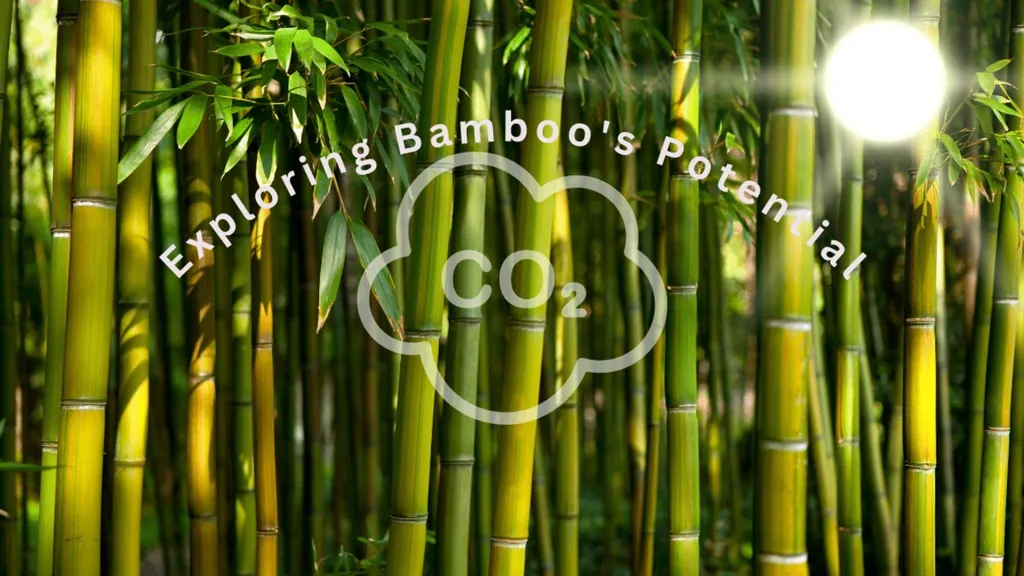
Bamboo holds spiritual weight in Asian traditions, symbolizing enlightenment in Buddhism and harmony in Daoism. In Feng Shui, “lucky bamboo” attracts positive energy, with specific stalk arrangements enhancing prosperity or health. Environmentally, bamboo’s rapid growth and carbon sequestration make it a sustainable powerhouse. Its root systems prevent soil erosion, while its cultivation restores degraded lands, supporting biodiversity and climate change mitigation. Bamboo’s eco-friendly potential shines in modern products like biodegradable packaging and renewable energy sources
Modern Innovations and Global Impact
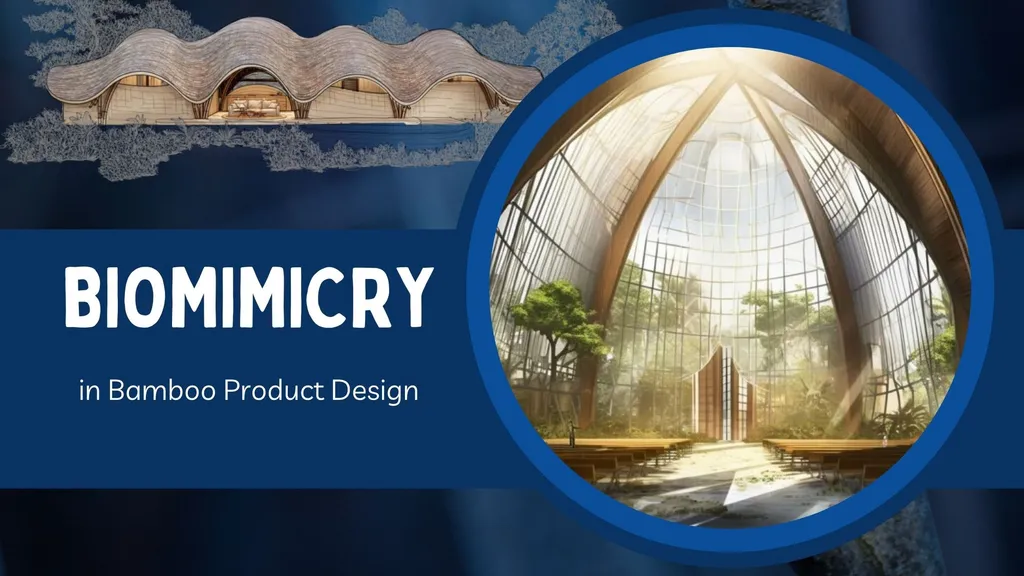
Bamboo’s relevance continues in modern design, from engineered bamboo in green architecture to eco-friendly textiles and packaging. Its sustainability drives global demand, fostering cultural exchange and environmental awareness. Bamboo’s integration into contemporary products highlights its potential as a renewable resource, bridging traditional craftsmanship with innovative solutions.
At Ethical Handicraft Manufacturer (EHM), we celebrate bamboo’s cultural and ecological legacy by crafting sustainable, handwoven bamboo products. Our commitment to ethical practices honors Asia’s rich traditions while promoting a greener future. Explore our collections at handicraftmanufacturer.com to bring bamboo’s timeless beauty into your home.