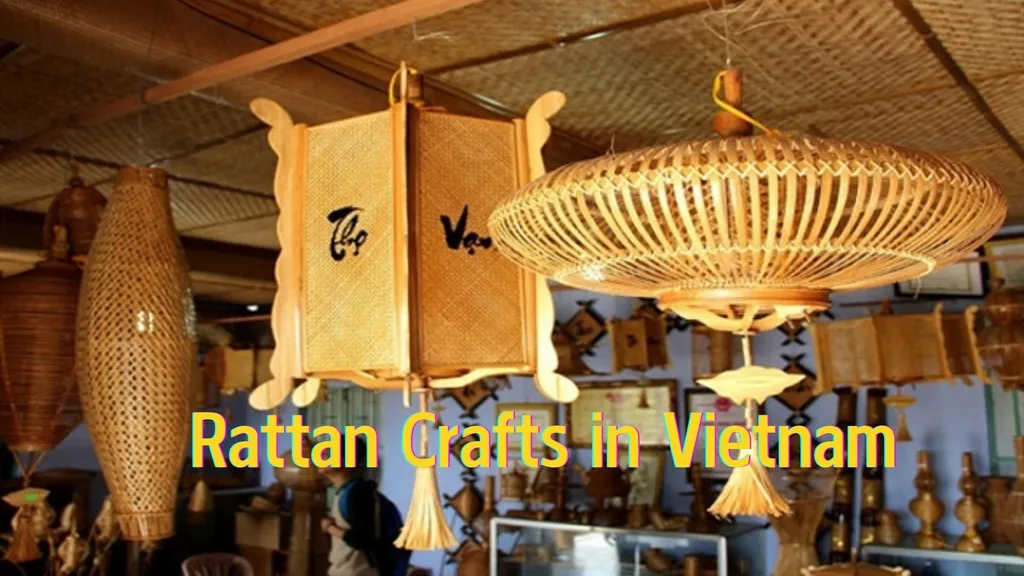
Rattan crafts in Vietnam are more than just handmade products; they are a vibrant expression of the nation’s cultural heritage, resilience, and creativity. At Ethical Handicraft Manufacturer (EHM), we celebrate the artistry of rattan weaving, a tradition that weaves together history, community, and sustainability. This blog explores the historical roots, cultural symbolism, and modern relevance of rattan crafts, highlighting their role in preserving Vietnam’s identity and supporting local economies.
Historical Roots of Rattan Crafts
Rattan weaving in Vietnam dates back to ancient agricultural societies that utilized the flexible and durable rattan palm to create everyday items like baskets, mats, and furniture. These crafts became integral to rural life, particularly during the Ly and Nguyen dynasties, when they evolved into artistic expressions of cultural identity. Villages like Phu Vinh, established over 400 years ago, became renowned for their intricate designs, passing down techniques through generations and fostering a deep connection to Vietnam’s past.
Cultural Symbolism and Identity
Rattan crafts embody the Vietnamese spirit—resilient, adaptable, and harmonious with nature. The act of weaving reflects the interconnectedness of communities, with each piece telling a story of tradition, craftsmanship, and pride. The flexibility of rattan mirrors the Vietnamese ability to navigate challenges while staying rooted in heritage. From rural motifs to ceremonial pieces, these crafts carry regional identities and values, serving as cultural artifacts that bridge the past and present.
Evolution and Modern Relevance
Today, rattan crafts blend tradition with innovation, appealing to eco-conscious consumers worldwide. Artisans in villages combine time-honored techniques with contemporary designs, creating furniture and decor that resonate with modern aesthetics. The global demand for sustainable products has elevated rattan’s status, with Vietnam exporting to over 130 countries, generating significant revenue (approximately 11 trillion VNĐ in 2019). This fusion of heritage and modernity ensures rattan crafts remain relevant in today’s market.
Economic and Community Impact
Rattan weaving is a vital economic driver, particularly in rural Vietnam. It provides employment for thousands, especially women, fostering gender equality and financial independence. Revenue from rattan exports and local sales supports community development, funding schools and infrastructure. Craft villages also attract cultural tourism, inviting visitors to engage with artisans and learn about the craft, further boosting local economies while preserving traditions.
Sustainability and Craftsmanship
Sustainability lies at the heart of rattan crafts. Artisans source rattan from tropical forests using responsible harvesting practices that promote biodiversity and prevent ecosystem depletion. Techniques like hand caning, twining, and bending showcase the skill and artistry involved, while innovations like natural dyes and material combinations enhance versatility. At EHM, we prioritize eco-friendly practices, ensuring our rattan products reflect both cultural heritage and environmental responsibility.
Challenges and Preservation Efforts
Despite their significance, rattan crafts face challenges from urbanization, mass-produced alternatives, and resource scarcity. To counter these, community-based initiatives, supported by organizations like USAID, provide training in traditional techniques and modern marketing. Cultural festivals and tourism promote awareness, while government policies and NGO collaborations empower artisans. These efforts ensure the craft’s survival, safeguarding its cultural and economic value for future generations.
Rattan crafts are a testament to Vietnam’s rich cultural tapestry, blending history, artistry, and sustainability. At Ethical Handicraft Manufacturer, we are proud to support artisans who keep this tradition alive, creating handcrafted pieces that tell stories of resilience and creativity. By choosing rattan crafts, you not only bring beauty into your home but also support communities and a sustainable future. Explore our collection to experience the timeless allure of Vietnamese craftsmanship.