Vietnam’s bamboo and rattan handicraft industry embodies a rich cultural heritage, blending tradition with modern innovation. From rural workshops to global markets, this vibrant sector reflects the resilience and creativity of Vietnamese artisans. This blog explores the historical roots, traditional techniques, and modern adaptations of bamboo and rattan handicrafts, highlighting their cultural and economic significance.
Historical Roots of Bamboo and Rattan Handicrafts
The origins of Vietnam’s bamboo and rattan handicrafts trace back to ancient times, deeply intertwined with the nation’s agrarian culture. Early artisans crafted functional items like baskets and mats using locally abundant bamboo and rattan, combining utility with artistry. With techniques passed down through generations. Influenced by interactions with Chinese and Southeast Asian cultures, these early practices laid a foundation for a distinctive Vietnamese aesthetic.
Traditional Techniques and Materials
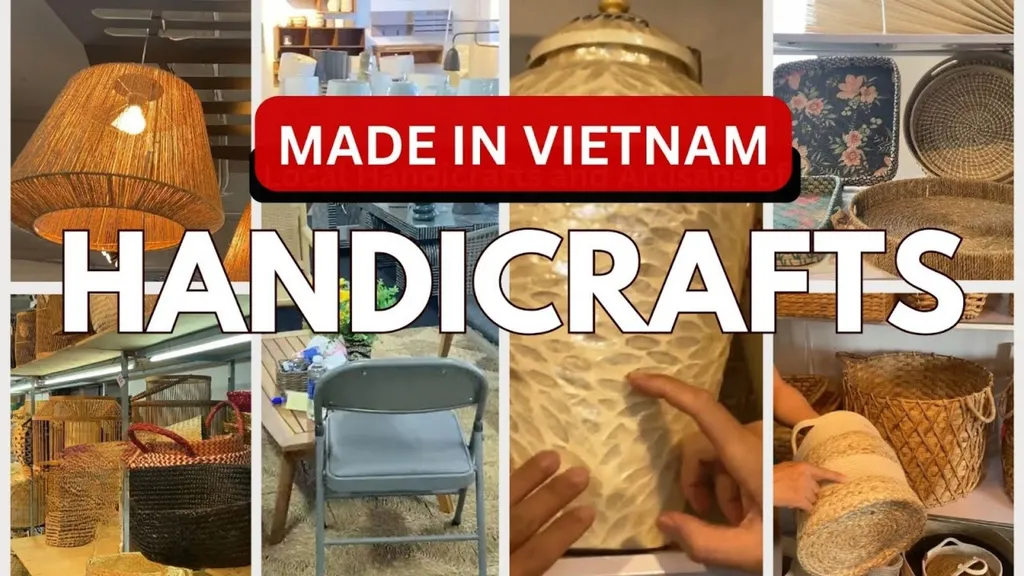
Bamboo and rattan handicrafts rely on time-honored techniques and natural materials. Artisans meticulously split, weave, and shape bamboo and rattan into intricate patterns, creating products like baskets, furniture, and decorative items. The process involves selecting high-quality, flexible materials, often treated with natural preservatives to enhance durability. Villages specialize in rattan weaving, producing elegant, lightweight goods that reflect Vietnam’s cultural identity and craftsmanship.
Cultural and Economic Significance
Bamboo and rattan handicrafts are more than utilitarian objects; they are cultural artifacts embedded with stories of tradition and community. These crafts play a vital role in rural economies, providing livelihoods for millions and supplementing agricultural income. Iconic products, symbolize Vietnam’s heritage and are sought after by tourists and international buyers, boosting local economies and cultural pride.
Modernization and Global Market Integration
The advent of industrialization and globalization has transformed the bamboo and rattan industry. Artisans have embraced modern tools and digital platforms to enhance productivity and reach global markets. E-commerce platforms like Etsy and social media have enabled direct sales to international consumers, while collaborations with contemporary designers have introduced modern aesthetics to traditional crafts. The industry’s emphasis on sustainable, biodegradable materials aligns with global demand for eco-friendly products, positioning Vietnam as a leader in sustainable handicrafts.
Challenges and Opportunities
Despite its growth, the industry faces challenges from mass-produced goods, which offer lower prices and uniform quality. Additionally, preserving traditional techniques amid modernization and attracting younger artisans remain critical issues. However, opportunities abound: government initiatives, such as training programs and export promotion, support artisans, while the global trend toward sustainable products fuels demand. With a projected CAGR of 8.7% from 2024 to 2032, the industry is poised for significant growth.
Vietnam’s bamboo and rattan handicraft industry is a testament to the nation’s ability to balance tradition with innovation. By preserving cultural heritage, embracing modern technologies, and tapping into global markets, artisans ensure the industry’s sustainability and relevance. As Vietnam continues to share its unique craftsmanship with the world, the future of this vibrant sector shines bright, rooted in tradition yet flourishing in a modern, eco-conscious landscape.