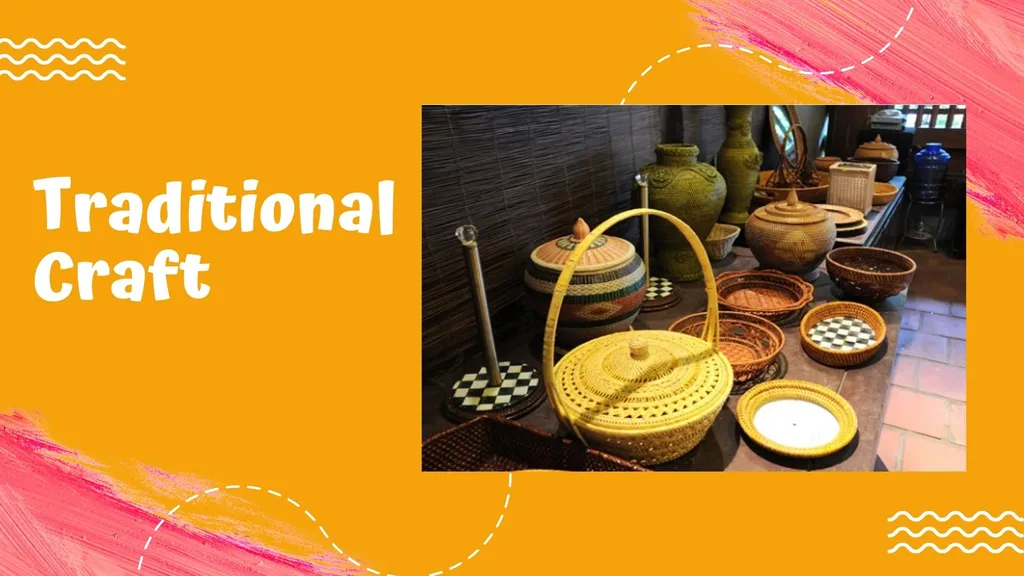
In a world racing toward globalization, traditional crafts stand as vital threads of cultural heritage, weaving stories of history, identity, and artistry. Preserving these crafts is not just about safeguarding artifacts but about sustaining the socio-cultural legacy passed down through generations. This blog explores international efforts to protect traditional crafts, highlighting global initiatives, funding, and strategies that empower artisans while countering challenges like economic pressures and cultural homogenization.
Global Initiatives for Craft Preservation
International organizations play a pivotal role in preserving traditional crafts, ensuring they remain vibrant, living traditions. UNESCO leads the charge with its 2003 Convention for the Safeguarding of Intangible Cultural Heritage, emphasizing community-driven preservation through documentation and revitalization. Programs like the “Bearers of Folk Craft Tradition” in the Czech Republic provide artisans with financial aid and global recognition, fostering sustainability.
Non-governmental organizations (NGOs) like the World Crafts Council (WCC) and Craft Revival Trust amplify artisans’ voices, creating platforms for cultural exchange and economic viability. Bilateral agreements between nations further strengthen these efforts by enabling resource sharing and cross-border collaborations, ensuring crafts thrive in a modern context.
Funding Sources for Artisans
Funding is the lifeblood of craft preservation. International grants, such as UNESCO’s Intangible Cultural Heritage Program and the UK’s Cultural Protection Fund, support artisans in regions facing conflict or environmental challenges. Private sector investments, including crowdfunding platforms like Kickstarter, democratize funding, connecting artisans with global patrons. These financial mechanisms empower communities, enabling them to preserve their crafts while adapting to market demands.
Challenges Facing Traditional Crafts
Globalization, while fostering cultural exchange, often threatens crafts through cultural appropriation, resource scarcity, and youth disengagement. Economic pressures, such as competition from mass-produced goods, and cultural homogenization further endanger unique traditions. These challenges demand innovative solutions to ensure crafts remain relevant and sustainable.
Strategies for Sustainable Preservation
Effective preservation requires community-driven approaches and strategic collaborations. Grassroots workshops engage local communities, turning artisans into educators who pass knowledge to younger generations. Partnerships between designers and artisans blend traditional techniques with modern aesthetics, creating market-relevant products without compromising authenticity. Training programs, like apprenticeship networks, equip artisans with skills to navigate economic landscapes, ensuring long-term resilience.
Case Studies of Success
Global efforts have yielded inspiring results. In Haiti, UNDP’s Artisanat Durable Project connected artisans to international markets, boosting livelihoods. In India, Craft Revival Trust’s research and education initiatives empowered artisans to sustain their crafts economically. International festivals, such as global artisanal events, provide platforms for artisans to showcase their work, fostering cultural dialogue and economic opportunities.
Traditional crafts are more than objects; they are narratives of human resilience and creativity. Through international collaboration, innovative funding, and community empowerment, these crafts are woven into the fabric of modernity. By supporting preservation efforts, we honor the artisans who carry these legacies forward, ensuring future generations inherit a vibrant cultural tapestry.
At Ethical Handicraft Manufacturer (EHM), we are committed to supporting artisans in creating sustainable, handcrafted wicker and bamboo products, preserving traditional techniques while embracing ethical practices.